
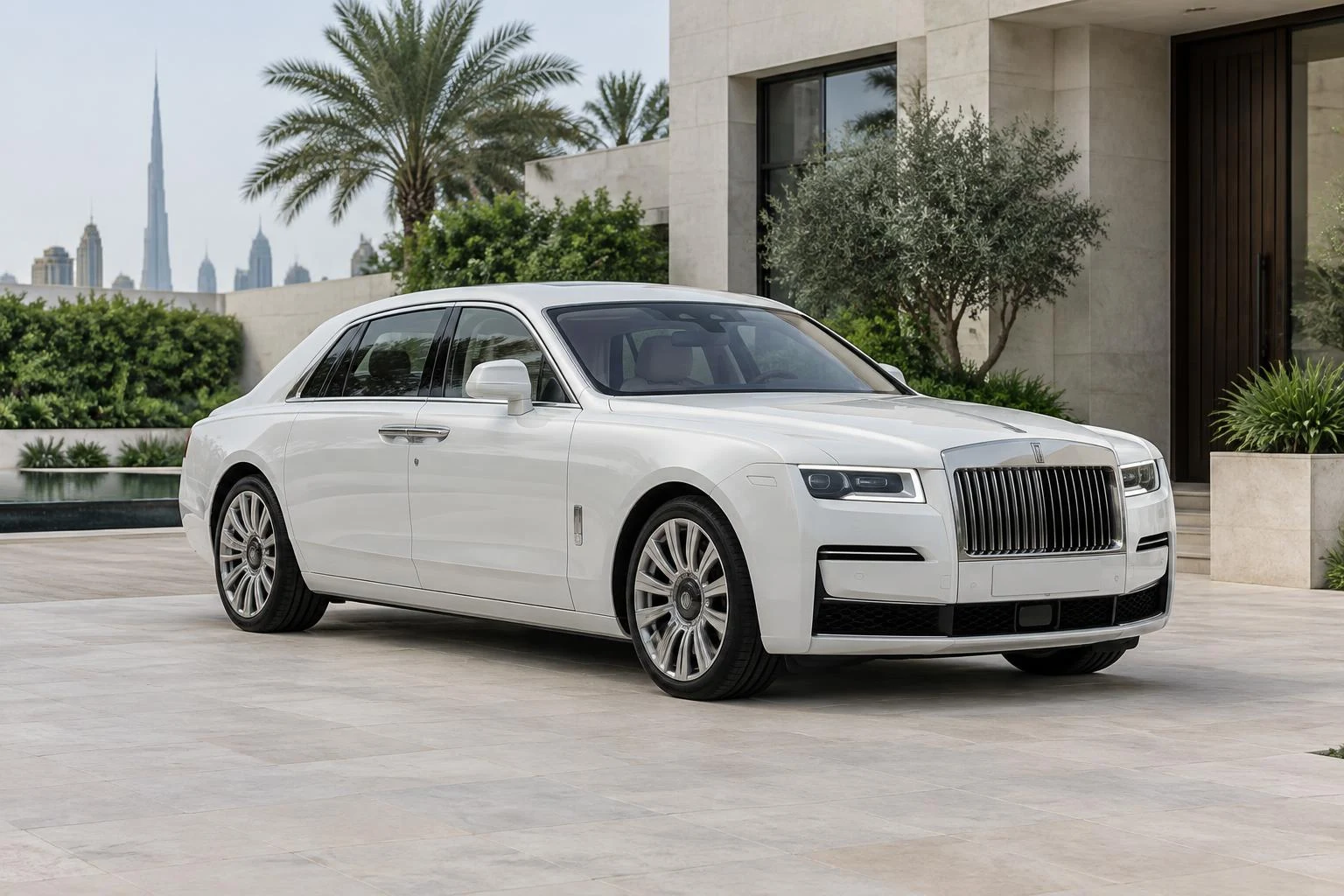



A practical guide to renting and driving in Dubai
Choosing the car is only part of the booking. Clear paperwork, a careful handover and knowing who to contact make the rest of the journey easier. This is general guidance; your signed contract, insurer and official instructions take priority.
Match the car to your actual journey
For airport arrivals, check that your luggage fits as well as your passengers. A sports car may have limited storage and low ground clearance; a sedan or SUV may suit a family stay better. Tell us about child seats, accessibility needs and hotel or villa access before choosing.
If you prefer not to drive, ask about transport with a licensed chauffeur. This is arranged separately and depends on availability. Delivery locations and timing must be confirmed with the rental operator, not assumed from the photographs.
Read the agreement before paying
Check who is named as the rental operator and who may drive. Ask how deposits are authorised and released, how damage is assessed, and how later tolls or fines are documented. Keep the booking confirmation and rental agreement together.
Insurance terms vary. Clarify the excess and exclusions, including tyres, glass, prohibited use and unauthorised drivers. Do not assume cross-border travel or off-road use is allowed; obtain written approval and any required cover before making those plans.
Document the handover
Walk around the car with the representative. Photograph existing marks, wheels, glass and the interior, and make sure they are recorded on the condition report. Check fuel, mileage, warning lights and supplied accessories before leaving.
Ask how to operate unfamiliar controls and where to find the operator’s roadside-assistance contact. Adjust mirrors and seating while parked. Follow posted speed limits and parking rules, wear seat belts and never use a handheld phone while driving.
If there is an accident or damage
Prioritise safety. If anyone is injured or there is an immediate danger, call UAE police on 999; ambulance assistance is available on 998. Follow police instructions about your location and moving the vehicle. Do not leave the scene without official direction.
Every accident must be reported to police. For a minor collision in Dubai, use Dubai Police’s official reporting channel where eligible; seek non-emergency guidance on 901, or call 999 when police response is needed. Notify the rental operator promptly and follow its insurance procedure. When safe, record the location and damage, and keep the report reference. Do not authorise repairs or settle damage privately without the operator’s instructions.
If the car breaks down or a warning appears
Stop somewhere safe where possible, use hazard lights and do not continue if the vehicle may be unsafe. Contact the rental operator’s assistance service for instructions and an approved recovery arrangement. Do not attempt repairs or arrange an unauthorised tow.
SETTRA can help coordinate communication on WhatsApp, but is not an emergency or roadside-assistance service. Contact emergency services first when safety is at risk. Replacement transport depends on the operator and your agreement.
Return the car with a clear record
Confirm the return time and location, fuel requirement and collection procedure in advance. Remove belongings, record the final mileage and fuel, and photograph the car’s condition at return. Ask for a written handover acknowledgement.
Keep the agreement until the deposit and any later adjustments are resolved. If you dispute a charge, request the itemised record and evidence from the operator in writing. SETTRA can coordinate the enquiry, but the rental contract and any dispute remain with the licensed operator.